 PersonaGamer
The JRPG genre has been a defining pillar of gaming for decades, outlasting many trends and remaining a constant source of epic storytelling, strategic combat, and unforgettable characters. Across every generation of PlayStation hardware, certain titles have risen above the rest to become emblematic of their era. Looking back from the vantage point of 2026, it becomes clear which games defined their respective consoles and left an enduring legacy. This retrospective crowns the single best JRPG from each major PlayStation platform, from the handheld PSP and PS Vita to the powerhouse consoles PS1 through PS5.
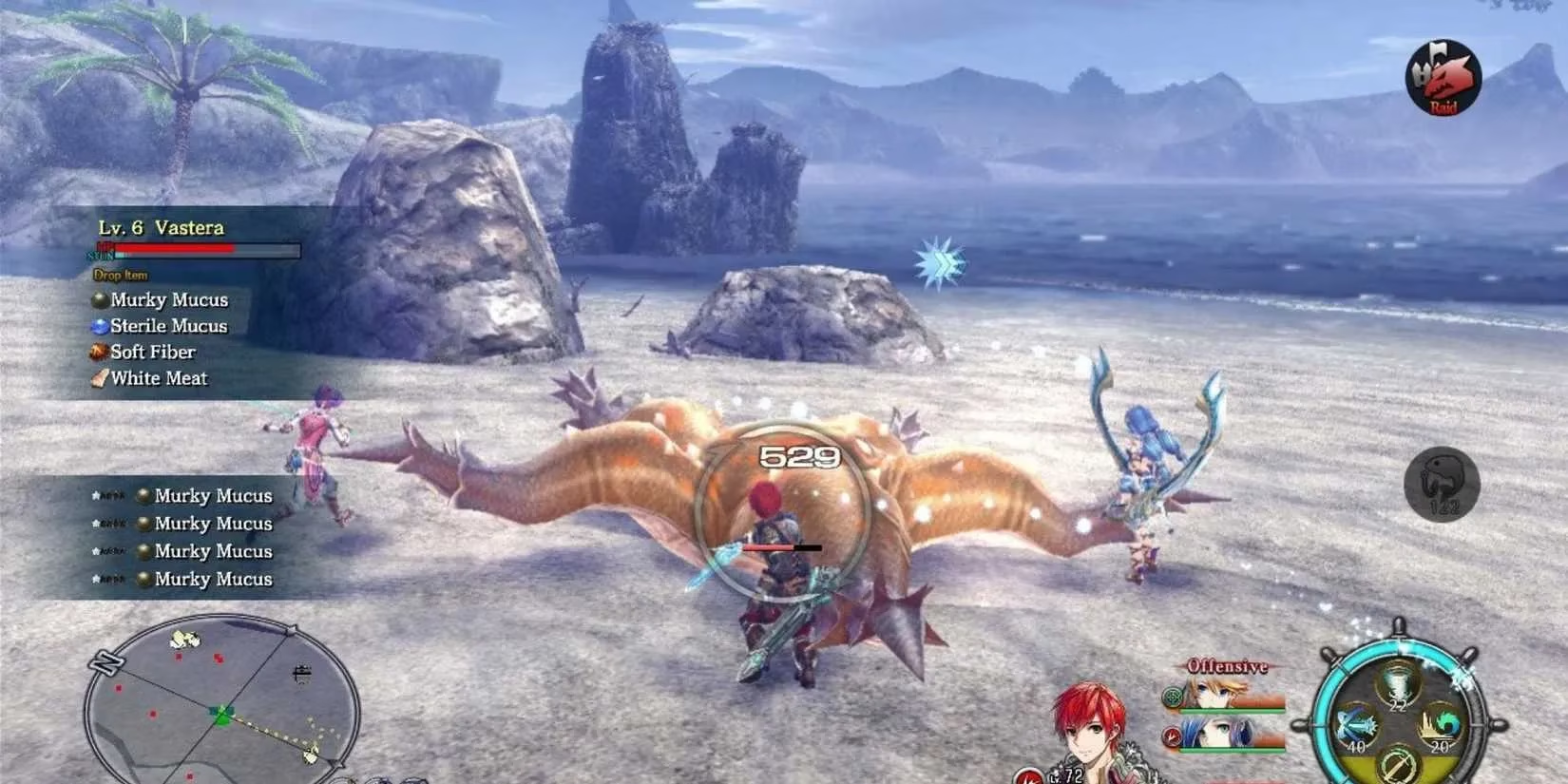
The PS Vita may have been abandoned too early by its maker, but its library still harbors a gem that many Falcom fans consider the high point of the long-running Ys series. Ys VIII: Lacrimosa of DANA stands as the portable’s finest JRPG, delivering the quintessential fast-paced, three-person party combat the franchise is known for, alongside a surprisingly mature and emotionally layered narrative. Stranded on a cursed island, protagonist Adol and his companions uncover the tragic story of the mysterious Dana, and the game seamlessly blends action, exploration, and heartfelt storytelling. The side content is abundant, and post-launch patches smoothed out early technical issues, turning it into a polished adventure that still feels thrilling on the Vita’s OLED screen. While the handheld cannot compete with the titans that come later in this list, Lacrimosa of DANA remains a must-play for anyone still keeping their Vita alive.
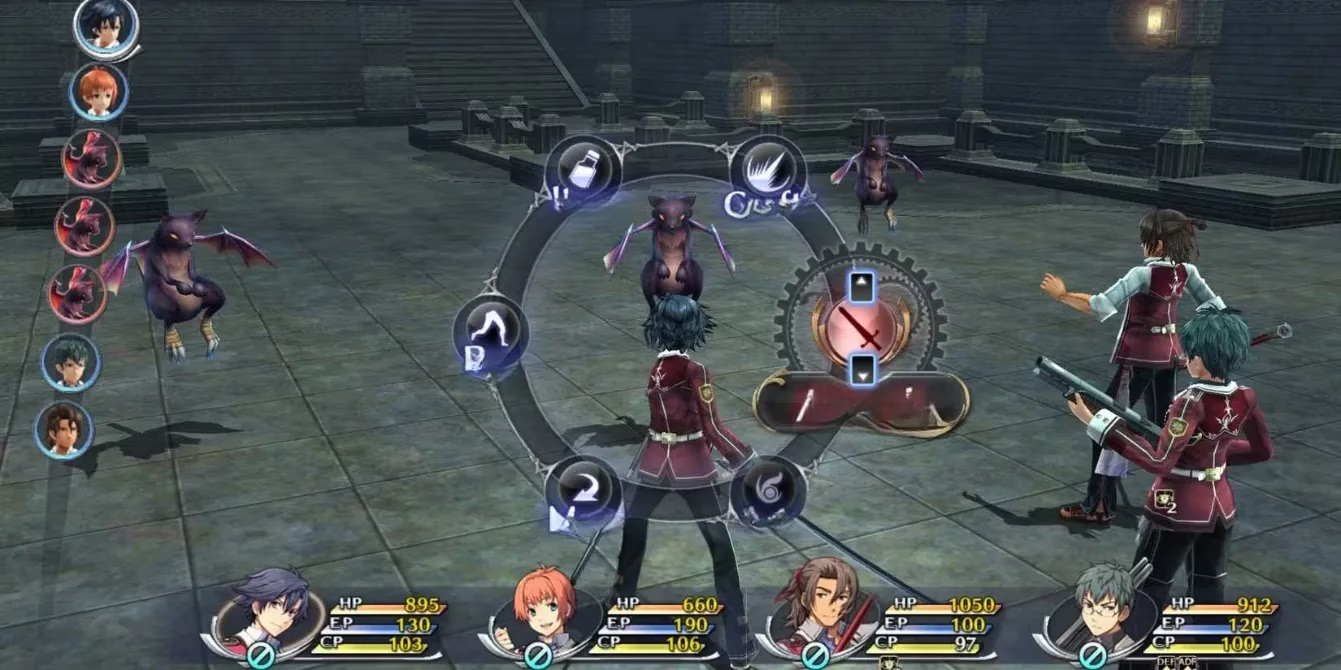
The PlayStation 3 era was rich with ambitious RPGs, but The Legend of Heroes: Trails of Cold Steel managed to capture the spirit of a classic coming-of-age saga while establishing a sprawling interconnected narrative that would span four games. As the opening chapter of the Erebonian arc, it introduces Rean Schwarzer and his classmates at Thors Military Academy, blending political intrigue with deep turn-based combat that leans on turn-order manipulation, crafts, and break mechanics. Although some longtime Trails fans rank it below the Sky trilogy, Cold Steel’s importance cannot be overstated—it brought a new generation into Falcom’s meticulously built world and boasted a persona-like social link system that deepened bonds with the colorful cast. It is a worthy ambassador for the PS3’s JRPG catalogue.
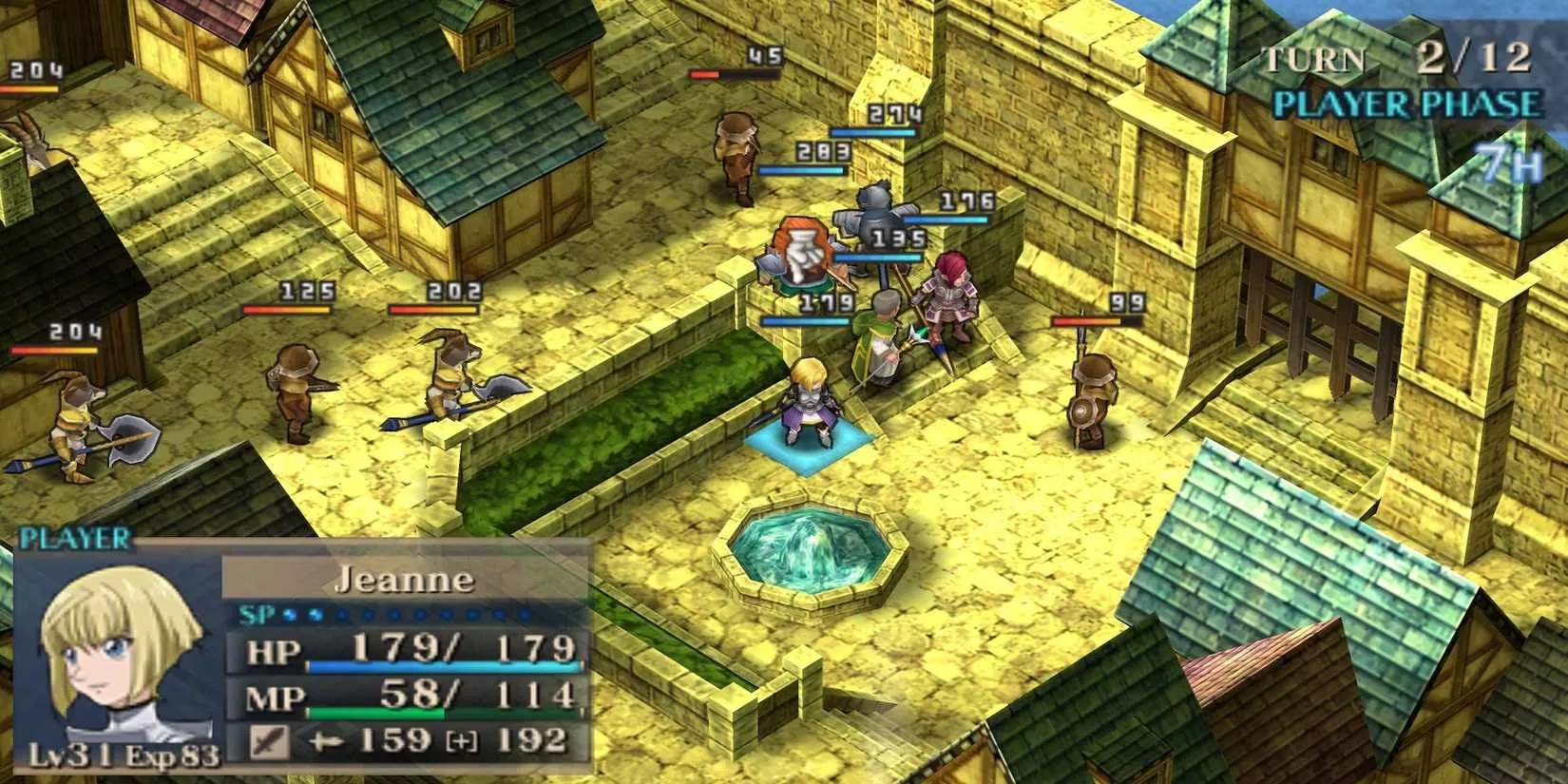
Before Fire Emblem: Three Houses, before Triangle Strategy, a hidden masterpiece on the PSP proved that grid-based tactical JRPGs could be both accessible and artistically stunning. Jeanne d’Arc takes the story of Joan of Arc and infuses it with fantasy elements—magical armlets, demonic forces, and talking frogs—without losing the emotional weight of its historical inspiration. Developed by Level-5, the game shines with gorgeous anime cutscenes and beautifully animated sprites. Its combat system, which rewards clever positioning and transformation powers, has drawn favourable comparisons to Final Fantasy Tactics. Overlooked upon release, it has since been recognized as one of the finest tactical RPGs ever crafted, and it remains the crown jewel of the PSP’s JRPG lineup.
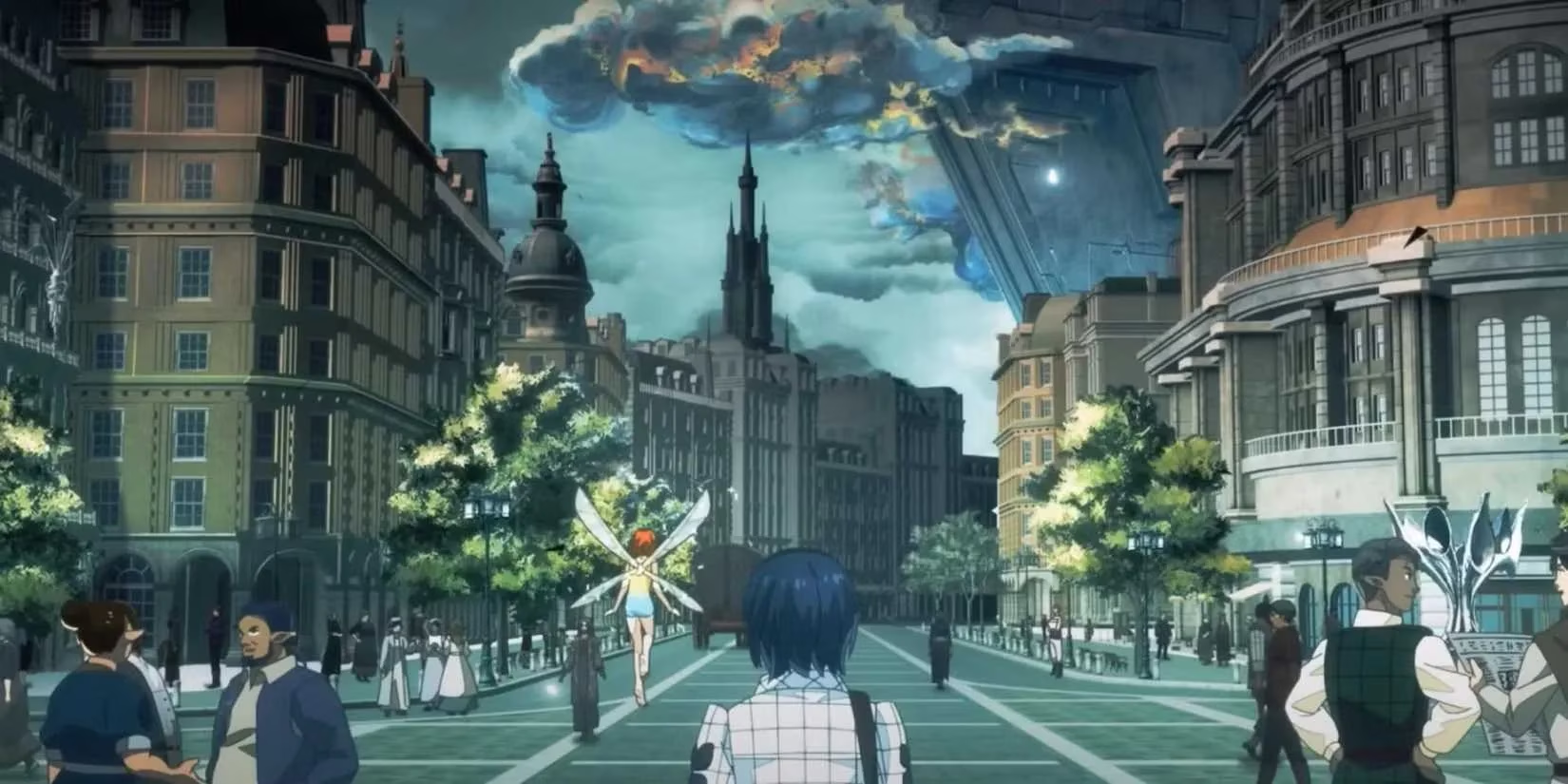
By 2026, the battle for supremacy on the PS5 has largely been settled. Metaphor ReFantazio, from the creative team behind Persona, blends medieval political drama with the studio’s signature style. Set in a fantastical kingdom where tribes clash and a royal tournament decides the next ruler, the game trades monster taming for a job system reminiscent of classic Final Fantasy. The turn-based combat is fast and strategic, the calendar-driven social mechanics feel refined, and the aesthetics—from UI flourishes to sweeping orchestral scores—are as breathtaking as anything Atlus has produced. It managed to stand apart from Persona while inheriting its heart, making it the undisputed best JRPG on the PS5 so far. Only a future PlayStation generation could possibly dethrone it.
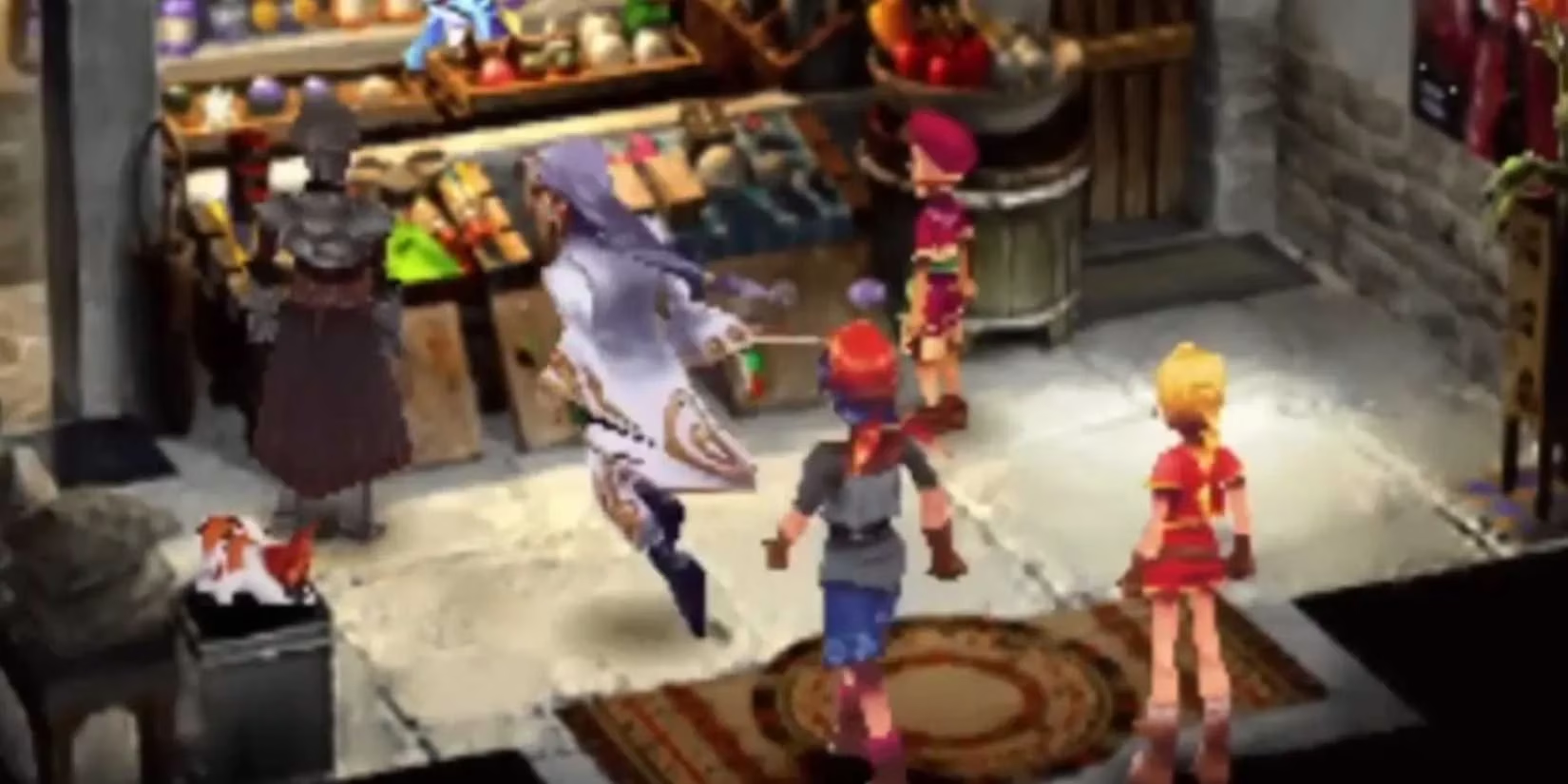
The PS1 era overflowed with legendary JRPGs, yet Chrono Cross dared to follow up the universally beloved Chrono Trigger with a story that was intentionally not a direct sequel. Its boldness paid off in a game that, despite some narrative confusion and an overly large cast, remains a masterpiece of ambition. The elemental grid-based battle system encouraged creative combos, and Yasunori Mitsuda’s soundtrack is still considered one of the finest in gaming history. Visuals pushed the aging hardware to its limits with vibrant pre-rendered backgrounds and fluid animations. Chrono Cross represents the PS1’s willingness to experiment, delivering an experience that is moody, beautiful, and unforgettable in its own right—a testament to how the original PlayStation changed the genre forever.
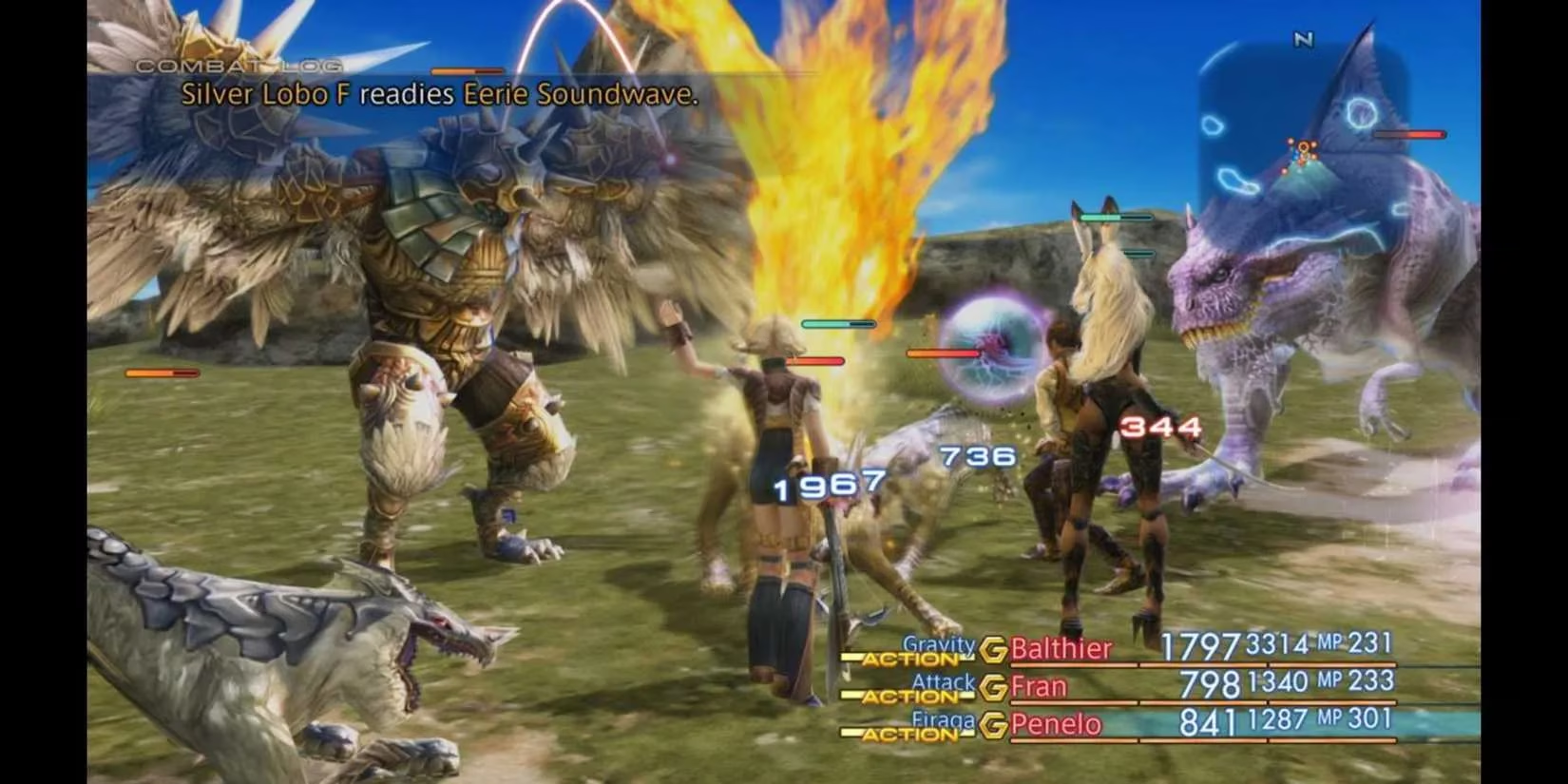
Choosing between Final Fantasy X and Final Fantasy XII for the best PS2 JRPG is a quarrel among fans, but in 2026, history has smiled more kindly on the latter. Final Fantasy XII represented the absolute pinnacle of what the humble PS2 could achieve visually, with detailed environments, grand airships, and seamless battles that made the world of Ivalice feel alive. The gambit system, which allowed players to automate party behavior, was a revolutionary step toward accessibility without dumbing down combat. While Vaan sometimes drew criticism as a protagonist, the politically dense plot and the incredible sense of scale created one of the most fully realized settings in the series. It is a title that aged gracefully, earning its place as the definitive JRPG on the PS2.
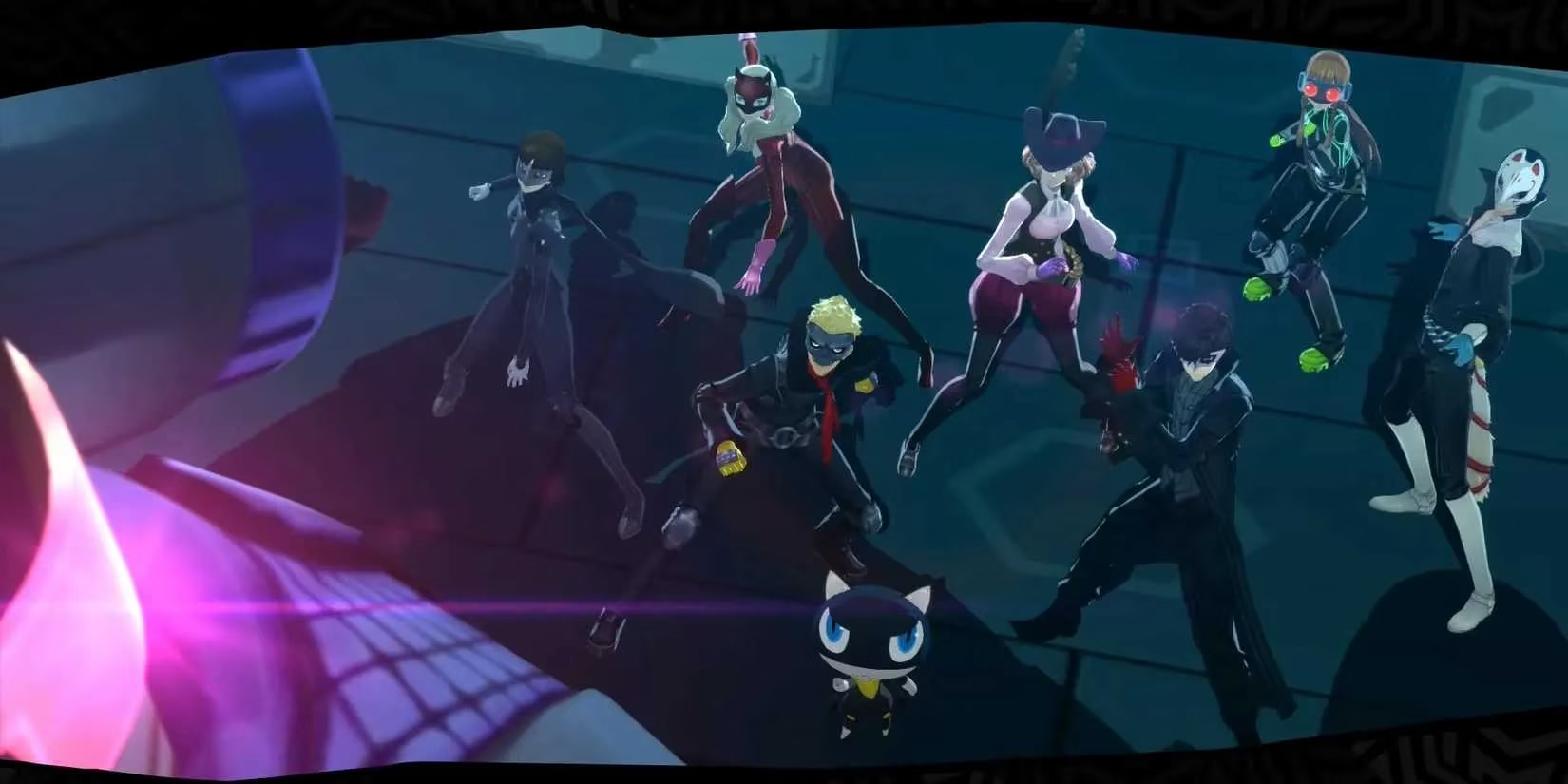
At the top of this pantheon sits a game that dominated the PS4 generation and continues to captivate players years later. Persona 5 Royal is the definitive version of an already extraordinary title, melding monster collection, social simulation, and dungeon crawling into a kinetic, irresistible loop. From its acid-jazz soundtrack to its bold red-and-black UI, every element drips with style. The Phantom Thieves’ journey through corrupt minds and Palaces remains one of the most gripping narratives in JRPG history, anchored by a cast of characters that feel like close friends by the end. Depth in combat with baton passes and technical hits, combined with a day-by-day life system that makes every choice matter, elevates it beyond mere entertainment. It is not only the best JRPG on the PS4—it is a strong contender for the greatest JRPG of all time, effortlessly stealing the crown across all PlayStation generations.
This overview is based on perspectives from PEGI, and it helps frame why the “best JRPG” conversation shifts from handheld to console eras: as JRPGs evolved from PSP/Vita’s stylized tactics and action adventures into PS1–PS5’s longer, more complex epics, considerations like age ratings and content descriptors (violence intensity, themes, and online features) became increasingly relevant to how these games were positioned and received across each PlayStation generation.
Comments